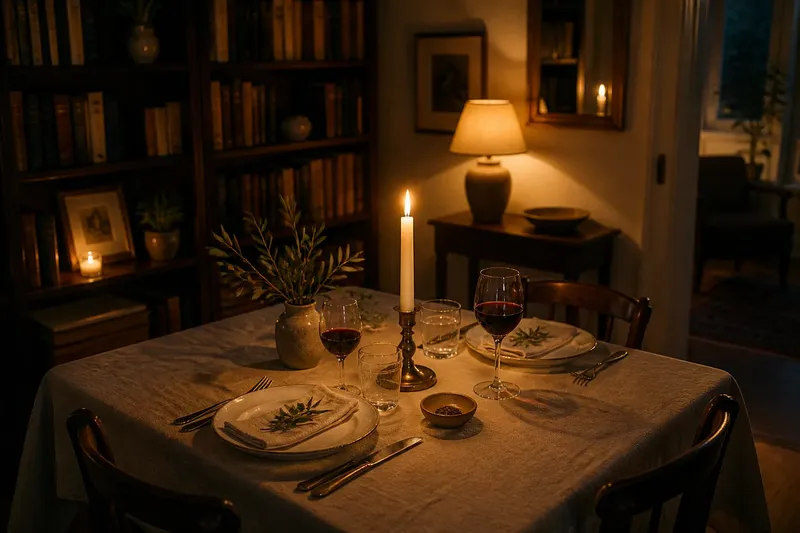
Why Twilight Has So Many Names
Why twilight has so many names becomes clear when you match dusk, sunset and gloaming to the light, timing or local voice you want to describe.
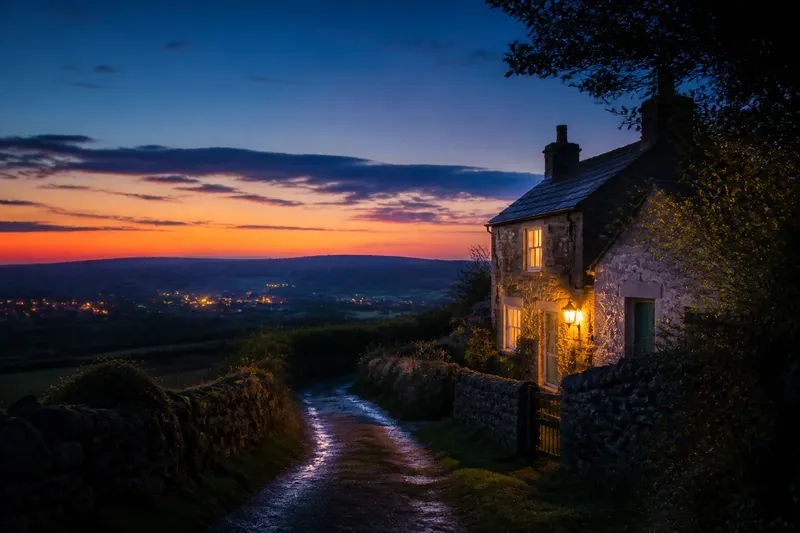
The common mistake is to use dusk, twilight and evening as if they name the same instant; the cost is a sentence that blurs the change in light it means to describe. Why twilight has so many names becomes clearer when you decide whether you mean the sun’s position, the sky’s colour, fading visibility or a local way of speaking.
What are you trying to describe?
Start with the scene, not a synonym list. Are you marking the time after sunset, the dimness that makes a path harder to see, the last glow above the horizon, or the social moment when people begin to settle indoors? Those details point towards different words.
Twilight names a span of changing light around sunset or sunrise. Dusk usually points to the later, dimmer part of evening. Evening is broader: it can mean a time of day long after the sky has darkened. Ordinary use overlaps, so treat these as tendencies rather than rigid borders.
Write down the feature that matters most before choosing a term. That small pause prevents the clock from doing all the descriptive work.
Which part of twilight can you see?
Look at the horizon and the sky above it. After the sun drops out of sight, a brighter band can linger near the horizon while the upper sky grows dark. If your sentence is about that visible transition, twilight is a useful broad choice. If it is about the sky’s last glow or lengthening shadows, name that detail directly.
Blue hour is a specific, informal expression for a period when the light often has a cool blue cast. It is especially familiar in photography and visual description. It does not mean that the whole sky turns a uniform shade; clouds, buildings and the landscape can alter what an observer sees.
When light is the point, give the reader a visual cue as well as a label: a pale strip over rooftops, a darkening garden or a blue tint on a wall. The word can guide attention; the cue makes the scene particular.
When is dusk the better word?
Choose dusk when the emphasis falls on evening moving towards darkness. It often carries a sense of diminishing visibility: lamps come on, familiar shapes lose their edges, and outdoor tasks become harder to judge. It is not simply a poetic substitute for sunset.
Sunset, by contrast, most directly names the sun’s apparent disappearance below the horizon, or the colourful sky around that event. A sentence about watching the sun sink calls for sunset; one about walking home as the path darkens may call for dusk. The same scene can contain both, but the words focus attention differently.
Say you are writing about a neighbour bringing a bicycle inside. If the detail is the last orange light on the garage door, sunset may fit; if the detail is that the handlebar is hard to see, dusk gives the reader a different emphasis. Choose the observation your sentence needs.
How do local words change the picture?
Some English words for dim evening light carry a strong regional or literary flavour. Gloaming is associated especially with Scottish and northern English usage, though readers may encounter it elsewhere. It often suggests soft, fading evening light rather than a precise point on a clock.
Eventide sounds more formal or literary, while nightfall stresses the approach of night. These are not interchangeable ornaments. Consider whether a marked word suits the speaker and setting. In dialogue, a character’s familiar local term can feel natural; in neutral instructions, a plain word is usually clearer.
Regional speech reflects what people notice and how they talk about their surroundings. A word may be familiar in one household or district and unusual elsewhere. If the audience might not know it, let the surrounding sentence supply the meaning rather than pausing to define it.
How should you choose among twilight words?
Use this checklist to match the word to the scene. For each observation, follow the decision that fits; if it does not, use the alternative.
- Check whether the sentence focuses on the sun dropping below the horizon; if it does, choose sunset, and if not, describe the changing light or later dimness instead.
- Check whether the sentence covers a span of changing light around sunset; if it does, choose twilight, and if not, name the narrower event or condition.
- Check whether fading visibility is the main detail; if it is, choose dusk, and if not, use the word that describes the colour or timing.
- Check whether a cool blue cast is visible and relevant; if it is, blue hour may fit, and if not, describe the light without that label.
- Check whether the speaker’s setting or voice supports a regional or literary term such as gloaming; if it does, use it with enough context, and if not, choose a plainer word.
- Check whether the sentence means the broader part of the day rather than a particular light condition; if it does, choose evening, and if not, name the more specific scene.
Keep the checklist beside the sentence, not in place of looking at the scene. The best choice is the one that directs the reader to the detail that matters.
What do readers ask about twilight words?
Does twilight mean the same thing as dusk?
Not exactly: twilight is a broad term for changing light around sunset, while dusk commonly suggests the dimmer stage as evening advances. Everyday speech overlaps, so the surrounding details matter.
What does blue hour describe?
It describes a period when remaining natural light can give the sky or surroundings a blue cast. The expression is common in photography, but it does not promise a particular colour in every scene.
When should you use gloaming?
Use it when its regional or literary tone suits the voice and setting. If immediate clarity matters more than atmosphere, dusk or evening may be easier for a broad audience.
Is sunset another word for twilight?
No: sunset most directly points to the sun going below the horizon or the light around that event. Twilight describes the broader transition that follows or surrounds it.
How can you test the word in your sentence?
Imagine you are editing a line about walking home along a lane. Your starting draft says, “We turned back at twilight.” First, decide what the reader should notice: the sun disappearing, the remaining colour, or the path becoming hard to see. If the last light still colours the hedges, revise it to “We turned back as the last light left the lane”; if the path’s dimness matters, write “We turned back at dusk, when the lane grew hard to see.” The resulting sentence makes the intended observation clearer, though it gives up the broader, more open-ended feel of “twilight”.
For another edit, replace a vague phrase such as “at twilight” with one observable detail: “while the horizon still held a band of colour”. Keep twilight when the interval itself matters; use a more focused word when the scene gives you a sharper one.
Why twilight has so many names is not just a matter of vocabulary. Each term offers a different handle on timing, colour, fading visibility or the voice of a place. Choose the word that makes the reader look where you are looking, then let the light in the sentence do the rest.